
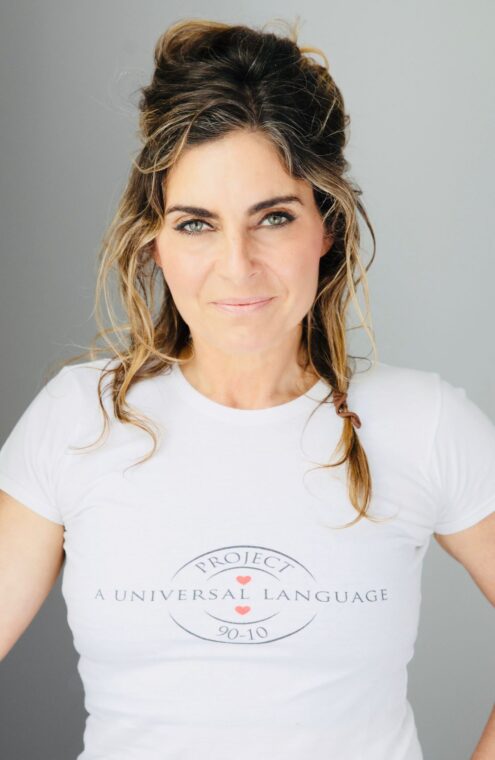
An Opinion Piece by Emma-Jane Taylor
The Huw Edwards case has exposed a dangerous cultural blind spot: the willingness to protect familiar public figures whilst downplaying the trauma endured by children. Public sympathy is a powerful force but when it drifts towards an offender instead of towards the child they harmed, safeguarding becomes compromised.
This article explores why that happens, why it matters and why survivors must remain at the centre of every conversation about child sexual abuse.
The Huw Edwards Effect
I use the term “Huw Edwards Effect” to describe a deeply concerning aspect of public behaviour. When a high-profile offender returns to public life, it seems that some people instinctively defend them, minimise the harm and shift the focus away from the children involved. This reaction is not new, I have seen it many times. However, the sheer scale in this case demanded a name. Thus, “Huw Edwards Effect” describes the cultural tendency to protect familiar adults, rather than confront the uncomfortable truth of child sexual abuse hidden in plain sight. It highlights how easily safeguarding messages become distorted when celebrity status enters the conversation.
Growing Up in Trauma- The Cost of Childhood Abuse
I have lived the consequences of child sexual abuse. The subsequent trauma stole my childhood, my education, my stability and my sense of self. I grew up believing I was a failure because adults told me so, not realising that I was a child trying to survive what had been done to me. Trauma numbs, distorts and destabilises. It forces children into unwanted coping mechanisms.
My early coping mechanisms were drink and drugs, not out of desire but sadly out of necessity. Years later, I rebuilt my life through movement, nature, discipline and costly therapy. My addiction became wellbeing. My purpose became safeguarding.
Why Project 90-10 Exists
In 2022 I founded the charity Project 90-10 to highlight the reality that 90% of children know their abuser. This statistic demands a shift in safeguarding priorities. “Stranger danger” is still important but it is only part of the picture. The greatest risk arises where the silence lives, at homes, in workplaces and community settings. It is crucial to understand this.
The Steven van de Velde Case – A Warning Sign
One of the most alarming cases I have challenged is that of Steven van de Velde, the Dutch beach volleyball player who raped a twelve-year-old British girl. Sentenced to four years in the UK, he was transferred to the Netherlands and spent only thirteen months in jail. Despite a criminal record, he was later able to compete in the Paris 2024 Olympics. This is a chilling example of how systems fail children and ignore the seriousness of a situation.
Huw Edwards
And now we see the disgraced former news presenter, Huw Edwards, present, visible and focused entirely on himself.
Huw Edwards pleaded guilty to possessing 41 indecent images of children, including Category A, the most severe classification. He was convicted in court by a judge. The sentence he received reflected the law but public reaction has reflected something else entirely: a willingness to minimise the seriousness of child sexual abuse when the offender is someone they once admired – and in some cases, still admire.
As this unrepentant convicted criminal launches his writing career on Substack, he speaks at length about his mental health but not about the children harmed in the images he possessed. He says he is remorseful but I have not seen evidence of this. Real remorse focuses on victims. His writing does not.
A remorseful man would acknowledge the children behind the images. He would challenge the networks of people who supplied them. He would use his platform to expose the routes, behaviours and patterns that enable child sexual abuse material. Edwards has done none of this.
Celebrity Loyalty vs Child Protection
If the man next door had been caught with indecent images of children, he would not be welcomed back into everyday life. But it seems that some celebrities are treated differently. Familiarity becomes loyalty. Loyalty becomes blindness. Blindness becomes danger.
It is so disgraceful to watch, not least for the children harmed in such a horrific way.
Public Denial and Online Abuse
Since speaking publicly about this case, I have seen people writing online insisting Edwards is innocent, despite his guilty plea and conviction. This denial is not about facts. It is about discomfort. Dr Marianne Trent explains that denial is a psychological defence mechanism some people use when the truth threatens their world view. When a familiar public figure commits a crime involving children, some people simply cannot tolerate the clash between what they believed and what is true. But denial has consequences. Denial enables offenders, silences victims and tells survivors that their trauma is less important than a celebrity’s reputation.
Edwards knows who sent him the images. He knows where they came from. He knows the routes of harm. He has never addressed any of it. Someone with direct knowledge of child sexual abuse networks could do enormous good. His refusal to do so speaks volumes.
When public sympathy drifts toward the offender, safeguarding collapses. The trauma, the harm and the lifelong impact on the child become secondary to the discomfort of holding a familiar adult accountable. That is not safeguarding. That is complicity.
CALL TO ACTION
If we want a safer world for children, we must start amplifying the voices and recognise the reality that survivors of CSA face. We must share safeguarding messages and challenge harmful narratives. And never let celebrity status outweigh the protection of a child.
About Emma-Jane Taylor
Emma‑Jane Taylor is a British entrepreneur, advocate and mental health speaker known for her uncompromising work in child safeguarding. Dance and wellbeing became her lifeline during a traumatic childhood, shaping the resilience and discipline for which she is known today.
As the Founder and Director of a series of lifestyle businesses supporting children and adults, she uses every part of her professional world to empower confidence, wellbeing and personal strength. Her work spans performing arts, fitness, nutrition, mentoring and choreography, all rooted in her commitment to helping people thrive.
Emma‑Jane is widely recognised for her powerful advocacy for survivors of child sexual abuse. She challenges uncomfortable conversations, speaks openly about her lived experience and confronts cultural blind spots that place children at risk. Her campaigning is direct, unapologetic and grounded in truth.
Where to find Emma Jane
Links to all of Emma‑Jane’s social media platforms can be found on her website www.emmajanetaylor.com
Learn more about Project 90‑10
Useful safeguarding resources:
• Centre of Expertise on Child Sexual Abuse (CSA Centre): https://www.csacentre.org.uk
• NSPCC: https://www.nspcc.org.uk
• NHS: https://www.nhs.uk
• Independent Inquiry into Child Sexual Abuse (IICSA): https://www.iicsa.org.uk
• Child Safeguarding Practice Review Panel: https://childsafeguarding.independent-panel.uk
• National Centre for Action on Child Sexual Abuse (Australia): https://www.childsexualabusecentre.org.au