
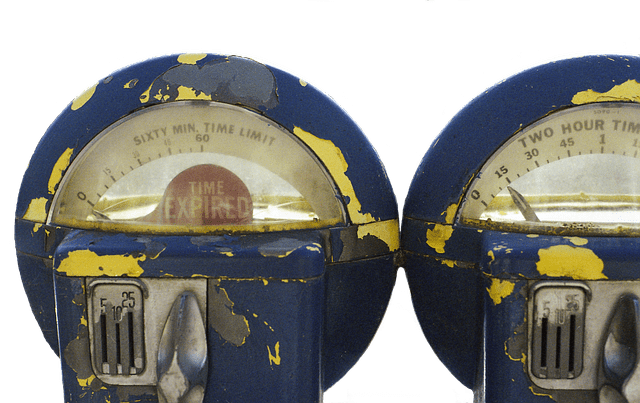
Appeal and fight a PCN
How to fight Parking Charge Notices
Snippet from the Twig podcast on 8 things that should be illegal (and how you beat them!)
Private parking charge? Check before you pay

For more information and how to contact me for speaking and media appearances, see speaker and media pages.
Parking tickets are the bane of every driver’s life. Many of us who drive have fallen victim to them at some time or other. And most of the time they are fair. But at times they are downright wrong.
What is a private parking ticket?
Private parking tickets – known as Parking Charge Notices (PCNs) – aren’t actually tickets or fines, they are invoices. They are sending you a notice for what they see as a breach of contract.
The process for appealing a council issued parking ticket differs to that of a private firm. See How to appeal a council parking ticket.
The Protection of Freedoms Act 2012 bans clamping and towing in England and Wales and it has been banned since 1992 in Scotland. Clamping is still allowed on private land in Northern Ireland.
(Clamping is still allowed under certain some circumstances in England, Scotland and Wales because sometimes Government agencies, e.g. DVLA, police and local authorities sub contract. Also they may be used where bylaws are in place, such as at stations.)
Given that clamping is allowed in certain circumstances, don’t remove the clamp, as you could be charged with criminal damage to add to your woes!
DVLA and parking tickets
The Driver and Vehicle Licensing Agency (DVLA) is complicit in the parking shark business. It permits access to its car owner database for members of the International Parking Community (IPC) and British Parking Association (BPA). This allows companies to write to car owners about alleged “debts” for parking.
Is this simply a money making exercise for the DVLA? The latest Which? research shows that the 10 major private parking companies operating in Britain revoked at least 33 per cent of the 14.7 million charges they issued in the last four years and that the majority of people pay up after being harassed. This figure for wrongly applied charges is huge. If the DVLA refused to give out these details, motorists would rightly escape being wrongly charged millions of pounds a year!
A spokesperson for the DVLA said that the fees they charge are merely to recover costs and that it has robust procedures in place to ensure data sharing activities comply with data protection law, specifically “Regulation 27 of The Road Vehicles (Registration and Licensing) Regulations 2002 allows vehicle keeper details to be disclosed to third parties in various circumstances.” Their statement goes on to say that “Local Authorities and Private Landowners would have great difficulty in applying parking restrictions if there was no way of following up alleged breaches.”
Challenging a private parking invoice
It would appear that many of the companies in this sector have one simple business model: Grind people down, ignore evidence and just keep going until people pay up.
Do not stand for it! Here are some tips for how to protect yourself and how to complain if you receive an incorrect charge and resolve the matter to your satisfaction!
1) Keep evidence of payment. All of it! The actual payment, so screenshot a payment acknowledgement, the bank transfer/credit card statement etc. Keep the receipt.
2) The firm sending you the charge usually won’t be the landowner, so you could also write to the landowner. So, for example, if the landowner is a supermarket you could try a two prong attack and write to the manager of the store as well as to the parking firm.
3) You can appeal on a number of things. In the example I used in my article for This Is Money, the defence was the parking had already been paid! Other possible defences include: poor signage (take photos as evidence), broken pay and display machine (again take photo at the time with date and time shown), you broke down, there was an emergency or that the car owner details recorded are incorrect.
4) When the charge comes from the company, follow their appeals process. This will usually be an appeal internally. Then, if they are a member of either the BPA or IPC, you can appeal to one of those organisations.
5) If the firm is not a member, it cannot get your details from the DVLA which means they can’t take you to court if you don’t pay! Don’t write to the firm, as it will then have the address details it needs to pursue you.
Fighting private parking firms

See books and templates for challenging parking tickets below.
Parking (Code of Practice) Act 2019
On 7 February 2022 the Government announced changes to the regulations covering private parking firms. By the end of 2023 private parking operators in England, Scotland and Wales must have new measures in place. These include:
• Terms & Conditions must be clearly displayed.
• For car parks where CCTV and number recognition is used you may leave within 5 minutes not having parked and won’t be charged.
• You will have 10 minutes leeway before the parking company can issue a late charge.
• In England outside of London and in Wales, most parking charges will be capped at £50. Currently, companies can charge up to £100. There will be exceptions, such as if you abuse Blue Badge bays or trespass on private land.
• 50% discount if you pay within 14 days.
• Companies will not be allowed to increase a charge for late payment.
• Parking charge debt collectors will be banned from adding excess fees to the parking charge, currently as much as £70.
• Parking companies will be banned from using aggressive or pseudo-legal language to intimidate motorists into paying fines.
New, simpler appeals procedure, which will make it easier to appeal and get the ticket fully cancelled if you:
• have a mitigating reason for overstaying, such as breaking down
• made a genuine error, such as keying in a digit from your number plate incorrectly
• have a Blue Badge, valid ticket or permit but didn’t display it correctly,
Update this Code of Practice was withdrawn on 7 June 2022.
08 September 2023 Private parking code of practice: Latest developments
The House of Lords library states that the Government:
““temporarily” withdrew the code on 7 June 2022 pending a review of the levels of private parking charges and ban on additional fees provisions in the code. This announcement followed two legal challenges launched by several parking firms against the government’s decision to introduce these changes.
The government launched a 10-week private parking code of practice call for evidence on 30 July 2023, alongside a draft impact assessment. The call for evidence is scheduled to close on 8 October 2023. The government has said it will issue a further consultation on the options for parking charges and debt recovery fees once the call for evidence is complete.”
Private Parking Impact assessment
Private Parking consultation ends 8 October 2023
Parking tickets in Europe
You might be forgiven for thinking that you can ignore a ticket when paring abroad, especially after Brexit. Unfortunately this is not true as nations share information. Post Brexit and the letters will automatically come to your home. If you hold a UK driving licence, the fine will not follow you home automatically. The EU country has to issue a request for the payment of the violation that will arrive in the form of a letter.
Further help with complaining effectively
See Top 20 Tips on how to complain effectively
If you need help with complaining effectively and making sure you are never fobbed off. GET THE BOOK! How To Complain: The ESSENTIAL Consumer Guide to Getting REFUNDS, Redress and RESULTS! Includes information and templates on challenging parking fines and parking charges and templates.

101 Habits of an Effective Complainer to help you become more skilled and assertive when making complaints.

Purchase downloadable templates to gain redress including parking template letters.
Let me know below any questions or stories you have about fighting and challenging a PCN.