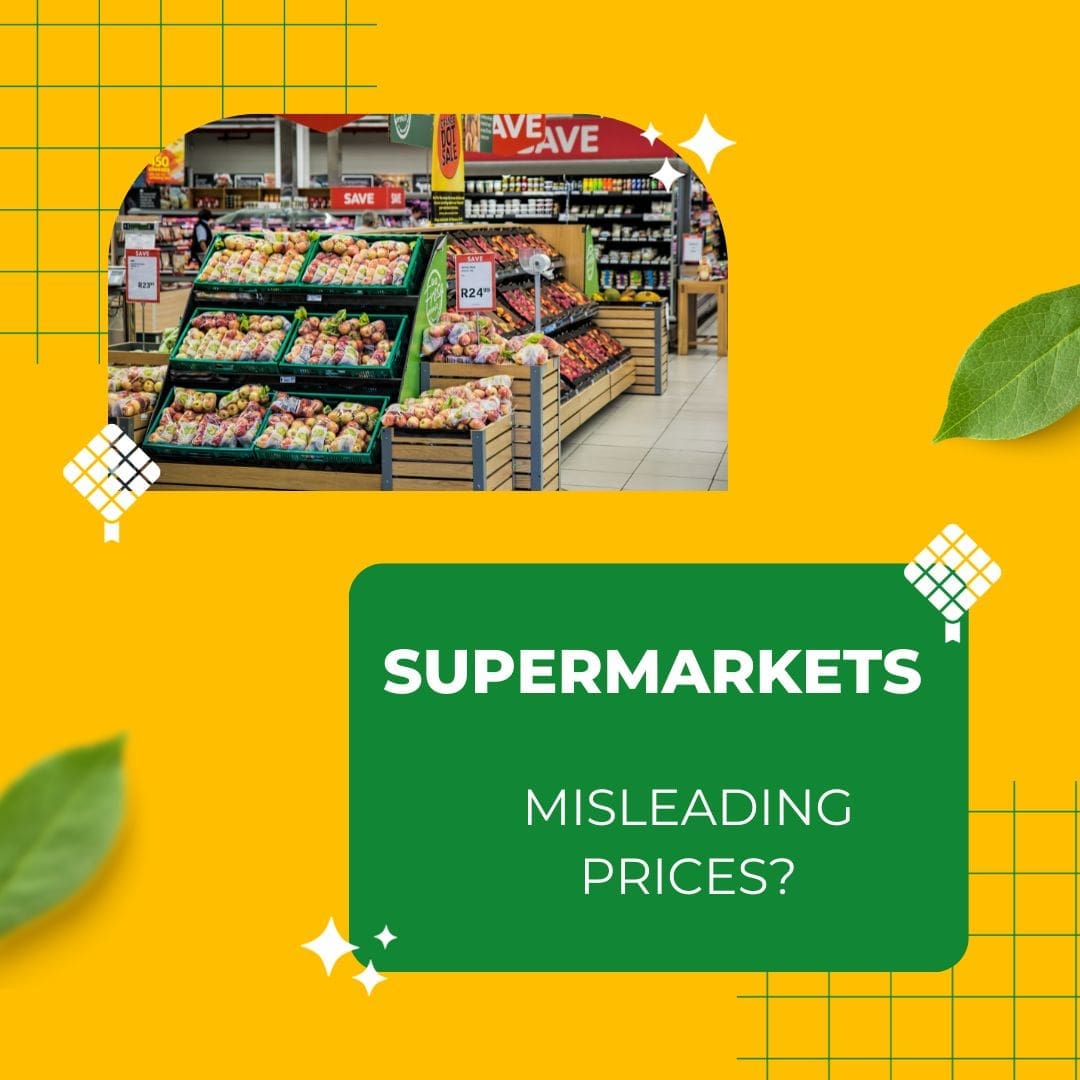
We have all seen prices rise in the supermarkets during the last couple of years of high inflation. But in some cases prices have increased by much more than inflation.
The Competition and Market Authority (CMA), has been looking at Competition choice and rising prices in groceries. It started investigating earlier in the year, producing its initial findings in July 2023.
Today (29 November 2023) the CMA published research showing that some suppliers of branded goods have increased their prices by more than inflation and therefore contributed to higher inflation.
The CMA also announced that it is launching a review of supermarket loyalty schemes, saying that price promotions which only available to members raise a lot of questions.
The latest findings from the CMA Price inflation and competition in food and grocery manufacturing and supply show:
-
Some branded suppliers have pushed up prices by more than their costs increased, but in most cases, shoppers can find cheaper alternatives.
-
CMA to examine further whether ineffective competition in the baby formula market could be leading to parents paying higher prices.
-
CMA to launch review of loyalty scheme pricing by supermarkets, considering its impact on consumers and competition in the groceries sector.”
Consumer champion Which? has been investigating supermarket prices and reporting to the CMA, as reported in this article Which? uncovers dodgy-looking supermarket loyalty discounts. It found that pricing schemes appear to be using tactics that are misleading. This includes some items being at a “regular price” for a very short time.
Which? notes “Over the six months, 29% of the member-only promotions across both supermarkets were at their so-called ‘regular’ price less than half the time. At Tesco, it was 24% of the 70 products we looked at, at Sainsbury’s it was 34% of 71 products.”
Loyalty schemes are almost impossible to compare. See Loyalty cards, rewards and apps – which supermarket has the best?
In addition, it is difficult to compare some prices against products in the same store. For example, Tesco Cathedral City Mature Cheddar Cheese 350g costs £3.49 and the price per unit is given as £9.97/kg. However, the Tesco Clubcard price is £2.75 for the same weight, but with no unit price given, making it harder to compare the cheaper price against another cheese.
Consumer champions have been calling on the CMA to take action against supermarkets since 2015, when Which? launched a supercomplaint about misleading prices in supermarkets. In its response to this, the CMA said:
In our investigation we found examples of pricing and promotional practices that have the potential to confuse or mislead consumers and which could be in breach of consumer law. Where there is evidence of breaches of consumer law this could lead to enforcement action.
However, we have concluded that these problems are not occurring in large numbers across the whole sector and that generally retailers are taking compliance seriously to avoid such problems occurring. We also found that more could be done to reduce the complexity in unit pricing to make it a more useful comparison tool for consumers.
We will continue to work with businesses and government to improve pricing and promotional practices in the groceries sector.”
It worked with Asda in gaining a commitment to ensure fair and clear pricing in July 2017.
But the Which? research in 2015 found:
“confusing and misleading special offers that make extensive use of price framing including reference pricing, volume offers and free offers;
a lack of easily comparable prices because of the limitations of unit pricing; and reductions in pack sizes without any corresponding price change.”
In its response, titled Pricing practices in the groceries market, the CMA said:
The evidence and data gathered by the CMA have highlighted examples of particular pricing and promotional practices which, in our view, have the potential to mislead consumers and thus lead to a breach of the CPRs. Where we have encountered such practices, the CMA will take further action with the businesses concerned to address these issues and secure any changes necessary. If this further work reveals clear evidence of breaches of consumer law, this could lead to enforcement action.”
Although these issues are slightly different, they do show continuing problems with supermarkets and pricing. There were a number of recommendations CMA stated in its response report. One was that the Chartered Trading Standards Institute should clarify how the legislation applies to certain promotional practices including:
“an earlier reference price frame (‘was’ price) can be used after the price of the product has already been lowered for a period (so the reference price does not refer to the last applicable price)”.
And that BIS (Business, Innovation and Skills department, now Department for Business and Trade) should encourage a more consistent use of unit pricing for products on promotion. The response from Which? to today’s news was
It’s positive that the CMA is set to review supermarket loyalty pricing as a recent Which? investigation found these deals aren’t always as they seem. In September we asked the regulator to look at whether supermarkets could be hiking ‘regular’ prices to make it appear that loyalty scheme customers are getting a better deal than they really are.”
It seems that the “reference price frame” recommendation has not been implemented. It would appear that little has changed over the last few years and consumers are still being ripped off with a variety of confusing and misleading practices which the CMA has previously said could be a breach of the Consumer Protection from Unfair Trading Regulations.
Which? says that it is no longer just straight forward special offers but this new shift towards two-tier pricing which isn’t covered at all by the current guidance.
The problem is not only whether people are being influenced into buying things they normally wouldn’t by the fact that it’s a member-only offer but also the point of whether it’s fair that not everyone has access to the deals that used to be available to everyone.
What we understand though is that two-tier pricing in the grocery sector is only likely to get bigger so this is a good time for the CMA to be scrutinising it. Especially as from what today’s report says the big brand manufacturers have no intention to bring prices down but instead work with supermarkets to provide member-only deals.
It should have sufficient evidence from organisations like Which? and from its own research to start acting, instead of yet more investigation. Consumers have suffered more than enough during this cost of living crisis and it’s time that the CMA took action against supermarkets to help bring prices down, help consumers make choices and play its part in reducing inflation.
What dodgy supermarket pricing have you seen?