
Can local Trading Standards teams cope with rise in fake goods?
Which? has today (19/09/25) called for an urgent overhaul of Trading Standards after its research uncovered a worryingly huge increase in counterfeit goods being sold in the UK. (See Dodgy dupes exposed – could you fall for a fake?)
Local authority Trading Standards teams are responsible for enforcing consumer protection laws. However, requests made under the Freedom of Information Act reveal that in the last five years intellectual property and counterfeit work is one of the most commonly deprioritised areas. Due to the decrease in funding over the years, teams do not have the resources to investigate this area of work and performance varies significantly across the country.
Trading Standards previously seized goods from stores and markets far more often than they do now. With the decrease in resources, they seem less able to cope with the increase in fake goods flooding online platforms and social media.
I agree with Which? that without stronger enforcement, consumers will continue to be exposed to dangerous counterfeits while responsible UK businesses are undermined.
@thecomplainingcow How to avoid buying fake and stolen goods and what to do if you have bought them. #Scam #FakeProducts #Fakes #counterfeit #TradingStandards
Which? counterfeit product examples
The consumer champion was able to purchase the following items on the eBay, Temu and Vinted platforms:
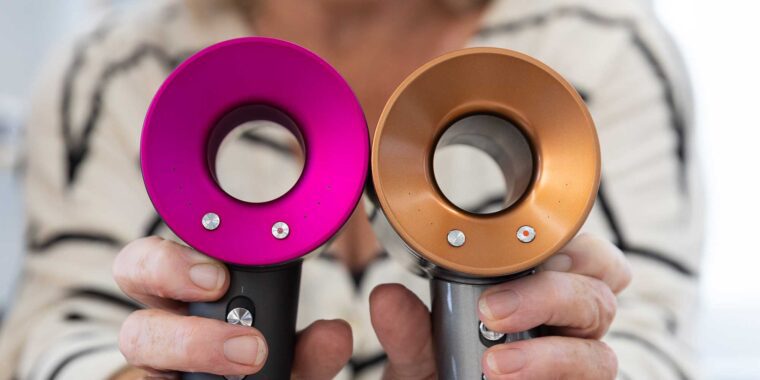
Dangerous “Dyson” hairdryers at £110 – normal retail price is around £280
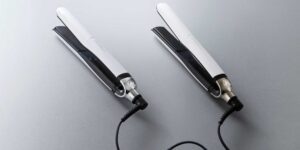
“GHD Platinum Plus Straighteners” – at £89 – the genuine item retails around £179
Fake football shirts – “England football shirt” for £18 – genuine shirts retail around £85
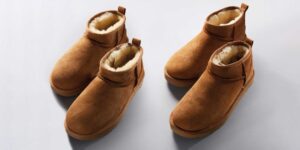
“Ugg” boots at £84 the real thing retails around £145
Disney “Stitch” toy for £8.12 – at the Disney Store they sell for £24

Rip-off Apple Airpods at £83.92 – real Airpods sell for around £180
Dangers and differences of counterfeit products
All the products were of lower quality. The colours on the “Dyson” hairdryer box were less vivid, with a spelling mistake “waterr” instead of water and was about 10% lighter. Experts at Electrical Safety First inspected the hairdryer and found that there was a significant fire risk due to a fake fuse and a non-compliant plug.
Similarly, the “GHD” straighteners were 7% lighter than the genuine product, taking longer to heat up and cool down. Another fire risk due to a fake cable, an old style circuit board and threatened a risk of the plates becoming live in the event of a fault.
The phoney Airpods were 44% lighter than the genuine article, in a lighter-coloured box, with cheaper looking moulding and poor sound quality.
The rip-off football shirt stitching was the wrong colour, the neck was not straight, motif less rigid and there was no hologram on the tag to prove its authenticity.

The fake “Stitch” is small and pale and doesn’t have a Disney label.
The counterfeit “Ugg” boots had a thinner sole and no have sheepskin interior or holographic label inside.
Which? also report that the problems go further:
“Fake toys are often made with weak seams, easily accessible button batteries and breakable parts – and that’s before you think about the dangerous dyes, banned chemicals (some linked to cancer) and flammable materials that can be used.”
Fake fashion frequently contain dangerous levels of arsenic, cadmium, phthalates and lead.
Phil Lewis, director general at Anti-Counterfeiting Group, said
Criminals don’t care about consumer safety; they will use shortcuts and cheap, dangerous materials and ingredients, including toxic dyes and carcinogens and sub-standard electrical parts that often explode. Even seemingly safe clothing can often contain toxic colour stabilisers on cheap materials that often fall apart.’
Sue Davies, Which? Head of Consumer Protection Policy, said:
It’s shocking that so many dangerous and fake items are being sold online but without strong enforcement, criminals will continue to flood online marketplaces with these products, knowing there is little chance of getting caught.
Which? is calling on the new Business Secretary to act now and overhaul a consumer enforcement system in crisis. As it stands, the current status quo is putting consumer safety at risk, whilst undermining responsible UK businesses that play by the rules.”
How to avoid buying fake goods
- First and foremost, if it sounds too good to be true it probably is! Check prices on comparison websites to see what the product should really cost.
- Buy only from reputable retailers.
- Be aware of products with only glowing reviews. Realistically this does not happen even with the best products in the world! This can be an indication that the reviews are fake.
- Look for a returns address. If it’s not in the UK or they use a PO Box number, be wary. Many fake electrical goods are manufactured overseas, where they will not be safety tested and are produced as quickly and cheaply as possible. Be aware that many websites make it look they are based in the UK, see Shopping on the Internet? Do your due diligence first!
- Beware of words like ‘genuine’, ‘real’ or ‘authentic.’ Most reputable retailers don’t use these descriptions to sell their products because they do not have to try and convince you that they are!
- Be wary of buying products on social media.
How to spot and what to do if you have bought a fake item
- Inspect the packaging and item carefully. Look out for the tell-tale signs of flimsy packaging and substandard printing, such as spelling mistakes or grammatical errors. Compare your item to an online image from a trusted, high street retailer.
- Look for a legitimate safety certification label. All electrical products will have one or more safety certifications on their label if made by a legitimate manufacturer. If the certification mark is present only on the packaging, but not on the product itself, the product is likely to be fake.
- Make sure everything is included. Fake products may not include supplementary materials, such as a manual or a product registration card or even all the parts!
- Check the plug. If you’ve purchased your product from a UK retailer, make sure the appliance has a three-pin UK plug or charger.
- Trust your instinct. If you are still uncertain about your product for any reason, you’re probably right to be wary. Visit the high street to compare your product to those on sale in store; if your item varies in any way do not use it.
What to do if you think you might have purchased a fake electrical product
If you suspect you have purchased a fake, stop using it immediately. Report it to Trading Standards so that they can take action against the seller.
Contact the seller, informing them that the item is fake and request a full refund. If this is not forthcoming, contact your bank. For items over £100 bought on a credit card, you can submit a “Section 75” claim. For items under £100 or bought on a debit card you can use Chargeback, a voluntary scheme which most banks run. How to claim refunds using credit and debit cards, Consumer Credit Act 1974
The old Latin phrase “caveat emptor” (buyer beware) remains the best warning, just as it was in the street markets of ancient Rome.