

How to use an ombudsman or other ADR to resolve your complaint
If a company won’t resolve your complaint to your satisfaction then you can take the matter to an ADR provider which will usually be an Ombudsman.
This is a version of the article How Alternative Dispute Resolution can help with your complaint that first appeared on the Your Money website 29 July 2022.
Alternative Dispute Resolution
Arbitration
This is an impartial and independent third party will decide how to resolve your dispute. In most cases, the arbitrator’s decision is binding and cannot be challenged in court. Costs vary and sometimes arbitration is free as with IDRS and ACAS services.
Mediation/conciliation
This remains confidential and cannot be used in a later court hearing. The cost varies: in some instances it’s free; in others, it can get expensive. By the very nature of the word “mediation” someone will work with you and the other party to reach a decision. If agreement is made and signed this is legally binding. You would only be to go to court to enforce it if necessary.
Negotiation
This is used most commonly in employment situations. You can choose to have a union rep or someone else present while you negotiate.
Adjudication
Undertaken by ombudsmen (or ADR provider) and free to the consumer. Binding on the trader (they lose membership if don’t abide by the rules but this rare) but not on you should you not agree and want to take the matter to court.
ADR decisions
Generally, arbitration is binding on both parties to the dispute. Mediation/conciliation and negotiation are non-binding; and adjudication and ombudsmen schemes do not bind the complainant, but will be binding on the other side.
More on adjudication
Some schemes are mandatory for certain sectors. For example telecoms (Communication Ombudsman or CISAS, the Communication & Internet Services Adjudication Scheme). There is also a scheme for energy (Energy Ombudsman) and finance (Financial Ombudsman Service).
Ombudsman Services is the largest ADR provider in the UK and includes Energy and telecoms.
The Dispute Resolution Ombudsman along with the Furniture & Home Improvement Ombudsman (FHIO) and Rail Ombudsman provides Alternative Dispute Resolution (ADR) for the rail, retail and the furniture and home improvement sectors.
These schemes are voluntary and you will need to check if your trader is a member before threatening to go to an Ombudsman.
You can submit a case to an ADR provider 8 weeks from when a complaint was started or when you receive a ‘deadlock letter’. A deadlock letter is provided by the provider stating that it will be the final correspondence.
You can find a list of all the ADR providers on the Chartered Trading Standards Institute ADR Providers list.
You can take your issue to the relevant body eight weeks after you first complained or once you have received a deadlock letter from the company. The company is bound by its decision, whereas you are not.
How Alternative Dispute Resolution can help with your complaint

More on ADR
Further articles, investigations and commentary on ADR and ombudsman issues can be found in the main ADR and Ombudsman investigations timeline. From explaining what it is all about through to investigating and reporting on oversight of approval and monitoring to breaking stories and interviews.


How to complain
Top 20 Tips on how to complain effectively.
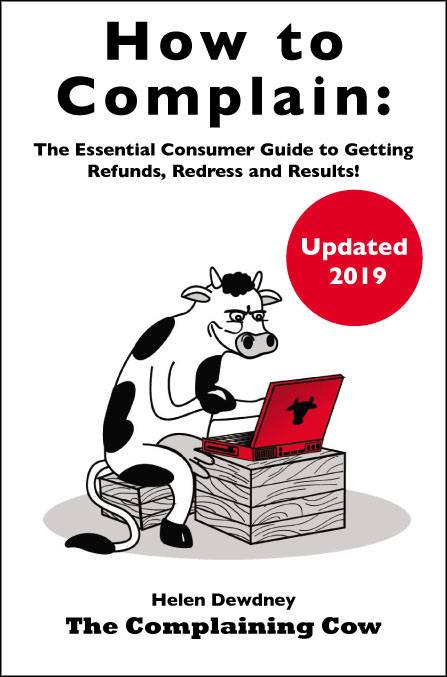
If you need more help, information and tips with how to quote Acts, template letters and advice on how to complain effectively don’t forget the GET THE BOOK! How To Complain: The ESSENTIAL Consumer Guide to Getting REFUNDS, Redress and RESULTS!

101 Habits of an Effective Complainer provides you with more tips.
Purchase and download templates to help resolve your complaint.